In-Home Support for Seniors with Rheumatoid Arthritis
When Rheumatoid Arthritis Makes Everyday Tasks Feel Unpredictable

Rheumatoid arthritis can make one day feel very different from the next.
A senior may wake up with swollen hands, stiff fingers, sore wrists, or tired joints that make even simple routines harder. Buttoning a shirt may take longer. Opening a container may feel frustrating. Standing at the stove may become tiring. A morning that once felt normal may now require more patience, more rest, and more help.
Families often notice the changes slowly. A loved one may stop cooking as often. Laundry may pile up. Getting dressed may take more time. They may avoid errands, cancel plans, or say they are “just having a bad day” when pain and fatigue are really shaping the routine.
That is where professional Home Care in Fort Worth, TX can help. With the right support, seniors with rheumatoid arthritis can get help with daily tasks while still keeping their independence, privacy, and familiar routines.
The goal is not to take over their life. It is to make painful days easier to manage.
Rheumatoid Arthritis Can Affect More Than Joints
Rheumatoid arthritis is often connected with joint pain, but it can affect much more than movement. Seniors may deal with stiffness, swelling, fatigue, reduced grip strength, slower mobility, and frustration when ordinary tasks take more effort than before.
Unlike occasional soreness, rheumatoid arthritis may create symptoms that change throughout the day or flare unexpectedly. A senior may feel capable in the afternoon but struggle in the morning. They may have one week where they manage well and another where they need much more help.
Daily challenges may include:
- Trouble getting out of bed
- Stiff hands or fingers
- Difficulty dressing
- Pain while bathing or grooming
- Trouble opening containers
- Fatigue after light activity
- Difficulty preparing meals
- Reduced confidence while walking
- Less interest in social activities
- Frustration or embarrassment about needing help
These changes can affect independence and mood. A senior may still want to do things alone, but their body may not always cooperate.
Support at home can help them keep more control over the day without forcing them to struggle through every task.
Fort Worth Families Are Planning for More Senior Support at Home
Fort Worth is home to more than one million residents, and more than 100,000 older adults live in the city. That means many families are thinking about how to support aging parents, spouses, grandparents, and loved ones while helping them remain comfortable at home.
Arthritis is also one of the most common health concerns among adults. Many seniors live with joint pain or mobility challenges that affect daily routines, transportation, household tasks, and personal care.
For families, the questions often become practical:
- Is Mom safe getting in and out of the shower?
- Does Dad need help with meal preparation?
- Is my spouse avoiding chores because of pain?
- Are flare days becoming harder to manage?
- Would a caregiver reduce family stress?
- Is my loved one still able to move safely around the home?
These questions do not always mean a senior needs a major change. Sometimes they simply mean the home routine needs more support, flexibility, and patience.
What Professional Home Care Can Do for Seniors with Rheumatoid Arthritis
Professional home care is usually non-medical support that helps seniors with daily living, comfort, safety, companionship, and household routines.
For someone with rheumatoid arthritis, care may include:
- Personal care, such as bathing, grooming, dressing, and toileting
- Meal preparation
- Hydration reminders
- Medication reminders
- Light housekeeping
- Laundry
- Grocery support
- Transportation to appointments
- Mobility support
- Companionship
- Family updates
- Respite care for family caregivers
The most helpful care is flexible. Rheumatoid arthritis does not feel the same every day, so support should be able to adjust.
On a better day, a senior may only need help with heavier tasks. On a flare day, they may need more support with dressing, meals, mobility, or personal care.
Good care follows the senior’s pace.
Flare Days Need a More Flexible Care Routine
One of the hardest parts of rheumatoid arthritis is unpredictability. A senior may plan to do laundry, cook, and go to an appointment, but a flare can make those tasks feel impossible.
During flare days, pain, swelling, and fatigue may increase. Hands may feel less useful. Movement may slow down. Standing or walking may feel harder. Even small tasks may require more effort.
A caregiver can help by adjusting the day instead of forcing the senior through the original plan.
That may include:
- Preparing easier meals
- Helping with dressing and grooming
- Handling light household tasks
- Encouraging rest breaks
- Keeping important items nearby
- Helping with mobility around the home
- Reducing unnecessary bending, lifting, or reaching
- Providing calm companionship
This kind of support helps seniors avoid feeling defeated by a hard day.
A flexible routine says, “Today may need to be slower, and that is okay.”
Morning Stiffness, Dressing, and Personal Care Support

Mornings can be especially difficult for seniors with rheumatoid arthritis. Stiff hands, sore joints, and fatigue can make the start of the day feel overwhelming.
A caregiver can help make mornings calmer and safer.
Morning support may include:
- Helping the senior get out of bed
- Allowing extra time for movement
- Preparing the bathroom before bathing
- Helping with grooming
- Assisting with buttons, zippers, socks, or shoes
- Preparing breakfast
- Offering medication reminders
- Making sure walking paths are clear
Caregivers can also support activities of daily living, which include basic routines such as bathing, dressing, eating, toileting, transferring, and moving safely.
The way care is given matters. A senior should not feel rushed or embarrassed. A patient caregiver gives choices, explains each step, protects privacy, and encourages the senior to do what they can safely manage.
Meal Preparation When Hands, Energy, or Standing Become Difficult
Meal preparation can become frustrating when hands are stiff or painful. Opening jars, chopping vegetables, lifting pots, holding utensils, and standing at the counter can all become difficult.
Some seniors may start skipping meals or choosing whatever is easiest because cooking feels like too much.
A caregiver can help make meals easier by assisting with:
- Grocery lists
- Simple meal preparation
- Opening containers
- Cutting ingredients
- Heating prepared foods
- Washing dishes
- Organizing the refrigerator
- Keeping commonly used items within reach
- Encouraging regular meals and hydration
This support does not take away choice. A senior can still decide what sounds good, help with simple steps, or sit nearby while the caregiver handles the harder parts.
The goal is to reduce strain, not remove involvement.
Light Housekeeping That Protects Energy and Comfort
Household tasks can be hard on painful joints. Laundry requires lifting and bending. Dishes require standing. Changing sheets can strain hands, wrists, shoulders, and back. Clutter can also create safety risks.
A caregiver can help with light housekeeping that makes the home easier to manage.
This may include:
- Laundry
- Changing linens
- Washing dishes
- Wiping counters
- Taking out small trash bags
- Keeping walkways clear
- Organizing frequently used items
- Reducing clutter
- Making bathrooms and kitchens easier to use
These small tasks can make a big difference.
When the home is more organized, seniors do not have to spend limited energy searching, reaching, bending, or lifting. They can save their strength for personal care, meals, movement, and meaningful activities.
Mobility Support Without Rushing Painful Movement
Rheumatoid arthritis can affect walking, balance, standing, and transfers. A senior may need extra time to rise from a chair, walk to the bathroom, or move around the home.
A caregiver can provide mobility support without making the senior feel helpless.
Support may include:
- Offering a steady arm while walking
- Helping with transfers from bed or chairs
- Keeping mobility aids nearby
- Encouraging proper footwear
- Making sure pathways are clear
- Allowing rest breaks
- Supporting bathroom routines
- Helping avoid rushed movement
This support should never feel forceful. Some days, a senior may move more easily. Other days, pain may require a slower pace.
A good caregiver watches, listens, and adjusts.
The goal is to help seniors move safely while protecting confidence.
Emotional Support When Chronic Pain Becomes Frustrating
Rheumatoid arthritis can be emotionally tiring. Chronic pain may make seniors feel impatient, discouraged, or embarrassed. They may feel upset that they need help with tasks they used to do easily.
They may also become more isolated. If getting ready takes too much effort, they may stop going out. If their hands hurt, they may stop doing hobbies they once enjoyed. If they fear becoming a burden, they may stop asking for help.
A caregiver can offer emotional support through steady companionship.
That may look like:
- Conversation during meals
- Encouragement during difficult routines
- Help with hobbies in adapted ways
- Transportation for errands or appointments
- Calm company during painful days
- Support for safe activity
- Noticing mood changes
- Helping the senior feel less alone
Sometimes the most meaningful support is simple patience. Someone nearby who does not rush. Someone who understands that pain can change the whole day.
A Rheumatoid Arthritis Home Support Checklist

Families may find it easier to plan care when needs are organized clearly.
Support Area | What to Review |
Morning stiffness | Is getting started becoming difficult? |
Flare days | Does your loved one need more help when symptoms worsen? |
Personal care | Are bathing, dressing, or grooming becoming painful? |
Hand function | Are buttons, containers, or utensils difficult to manage? |
Meals | Is cooking becoming too tiring? |
Hydration | Is water easy to reach throughout the day? |
Mobility | Is walking or standing becoming harder? |
Home setup | Are commonly used items within easy reach? |
Housekeeping | Are chores causing pain or being skipped? |
Transportation | Are appointments becoming harder to manage? |
Mood | Is pain causing frustration or isolation? |
Family stress | Are caregivers becoming overwhelmed? |
This checklist is not a medical plan. It is a practical way to identify where daily support may help.
Some seniors may need a few visits a week. Others may need daily help, especially during flare periods or after a health change.
Home Care vs. Family Managing Rheumatoid Arthritis Alone
Family caregivers often do as much as they can. They help with meals, rides, laundry, cleaning, reminders, and emotional support.
But rheumatoid arthritis care can become physically and emotionally demanding, especially when symptoms change from day to day.
Care Need | Family Managing Alone | With Professional Home Care |
Personal care | May feel uncomfortable or hard to manage | Support is patient and respectful |
Flare-day help | Family may not always be available | Care can adjust to changing needs |
Meals | May depend on family schedules | Meal support can be planned |
Housekeeping | Often falls behind | Light tasks can be included |
Transportation | Can disrupt work or family routines | Appointments can be scheduled |
Companionship | Limited by family availability | Social support becomes more consistent |
Family stress | Burnout risk increases | Responsibilities are shared |
Home care does not replace family support. It strengthens it.
When families have help, they can spend more relaxed time with their loved one instead of focusing only on tasks.
Supporting Independence While Respecting Pain Limits
Most seniors want to keep as much independence as possible. They want choices, privacy, familiar routines, and control over the day.
Care should protect those things.
A caregiver can help with difficult tasks while still encouraging the senior to stay involved.
For example:
- The senior chooses clothing while the caregiver helps with buttons or shoes.
- The senior helps plan meals while the caregiver handles chopping or lifting.
- The senior continues walking with support nearby.
- The caregiver handles tiring chores while the senior makes decisions.
- The senior keeps familiar routines with less strain.
This supports aging in place, which means remaining in a familiar home and community with the right level of help.
Independence does not always mean doing everything alone. Sometimes it means having enough support to continue living safely and comfortably at home.
When Rheumatoid Arthritis Needs Medical Guidance Too
Home care can support daily routines, but rheumatoid arthritis is a medical condition. Some symptoms need professional medical guidance.
Families may need support from doctors, rheumatologists, physical therapists, occupational therapists, pain specialists, or home health providers.
Additional guidance may be needed if there are:
- Severe or worsening pain
- Sudden swelling
- Frequent falls
- Major mobility changes
- Difficulty using hands for basic tasks
- Unsafe bathroom routines
- Weight loss or poor nutrition
- Severe fatigue
- Family caregiver exhaustion
Home care can work alongside medical support, but it does not replace it.
A caregiver can help with daily comfort, meals, personal care, transportation, reminders, and household routines. Medical professionals should guide treatment, therapy, medication decisions, and clinical concerns.
Choosing a Care Team That Understands Changing Joint Needs
Families should look for a care team that understands rheumatoid arthritis can change from day to day. The right support should be flexible, patient, and personal.
When comparing providers such as AmeriCare, families may want to ask:
- Are caregivers background checked and trained?
- Can care be customized around pain and mobility needs?
- Can caregivers help with bathing, dressing, meals, and transportation?
- Is backup care available?
- Can schedules change during flare periods?
- How does communication with family work?
- Can care include light housekeeping and companionship?
- How often is the care plan reviewed?
A good provider should ask about the senior’s daily routine, flare patterns, hand function, mobility, home layout, family availability, and comfort preferences.
Rheumatoid arthritis care should never feel one-size-fits-all.
A More Flexible Home Routine Can Make Painful Days Easier
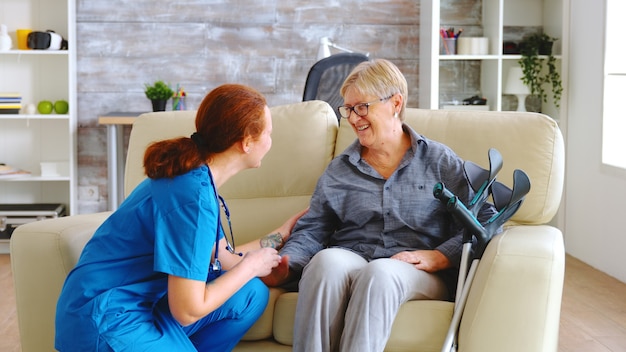
Rheumatoid arthritis can make daily life unpredictable, but the right support can make home feel easier to manage.
A caregiver can help with personal care, meals, mobility, light housekeeping, transportation, companionship, and family updates. They can adjust support on flare days, reduce strain on painful joints, and help seniors keep more control over their routines.
With professional Home Care in Fort Worth, TX, families can give their loved ones support that feels practical, respectful, and flexible.
A better home routine cannot remove every challenge of rheumatoid arthritis. But it can make painful days softer, safer, and less overwhelming.
FAQs
What kind of home care helps seniors with rheumatoid arthritis?
Seniors with rheumatoid arthritis may benefit from non-medical home care that supports personal care, meals, mobility, light housekeeping, transportation, companionship, medication reminders, and daily routines.
Can caregivers help during rheumatoid arthritis flare-ups?
Yes. Caregivers can help during flare-ups by adapting routines, reducing strain, preparing meals, helping with personal care, supporting rest, and making daily tasks easier to manage.
What daily tasks can caregivers help with?
Caregivers can help with bathing, dressing, grooming, meals, laundry, light housekeeping, transportation, medication reminders, mobility support, companionship, and safety checks.
How does home care help seniors with hand stiffness?

Home care can help with buttons, containers, meal preparation, grooming items, laundry, household tasks, grocery organization, and keeping frequently used items within easy reach.
Can home care help family caregivers too?
Yes. Home care supports family caregivers by sharing physical tasks, reducing burnout, providing respite, improving consistency, and helping families manage changing care needs.
Is home care enough for severe rheumatoid arthritis?
Home care can support daily routines, but severe symptoms may also require medical care, rheumatology support, therapy, pain management, or home health services.
How does home care support independence?
Home care supports independence by helping with difficult tasks while preserving choices, familiar routines, privacy, dignity, and the senior’s ability to participate safely.
How do families choose professional home care in Fort Worth?
Families should ask about caregiver training, background checks, flexible scheduling, mobility support, backup care, communication, and customized care plans.